
Modrá jeskyně po měsících: srovnání dubna až října
Teplota moře, návštěvnost a světlo v jeskyni pro každý měsíc od dubna do října a dva měsíce, které by si většina lidí měla rezervovat místo srpna.
By Marinko (Co-founder & Skipper) · 8 min čtení · Updated 2026-05-23
Proč na měsíci záleží víc, než si lidé myslí
Samotná Modrá jeskyně se od května do října příliš nemění: světelný efekt je řízen úhlem slunce mezi 10:00 a 12:00 a tato geometrie zůstává po celé léto zhruba stejná. Co se mění, je všechno kolem ní: teplota moře, stav moře při plavbě přes otevřený Jadran, počet lodí čekajících u vstupu do jeskyně, davy na Stinivě a Hvaru a cena.
Tuto trasu provozujeme od konce dubna do začátku listopadu. Po šesti sezónách, kdy ji jezdíme pět dní v týdnu, jsou vzorce dostatečně jasné na to, abychom hostům upřímně řekli, který týden je pro ně nejlepší podle toho, co skutečně chtějí: klid, teplo, výhodnou cenu nebo vrcholnou energii.
Duben: otevření s výhradami
Jeskyně se technicky otevírá v polovině až koncem dubna, v závislosti na tom, jaká byla zima. Některé roky jezdíme už od 20. dubna, jindy až od 1. května. Voda má 16 až 17 stupňů: dost studená na to, že koupání je spíš krátkým odvážným skokem než poklidným plaváním.
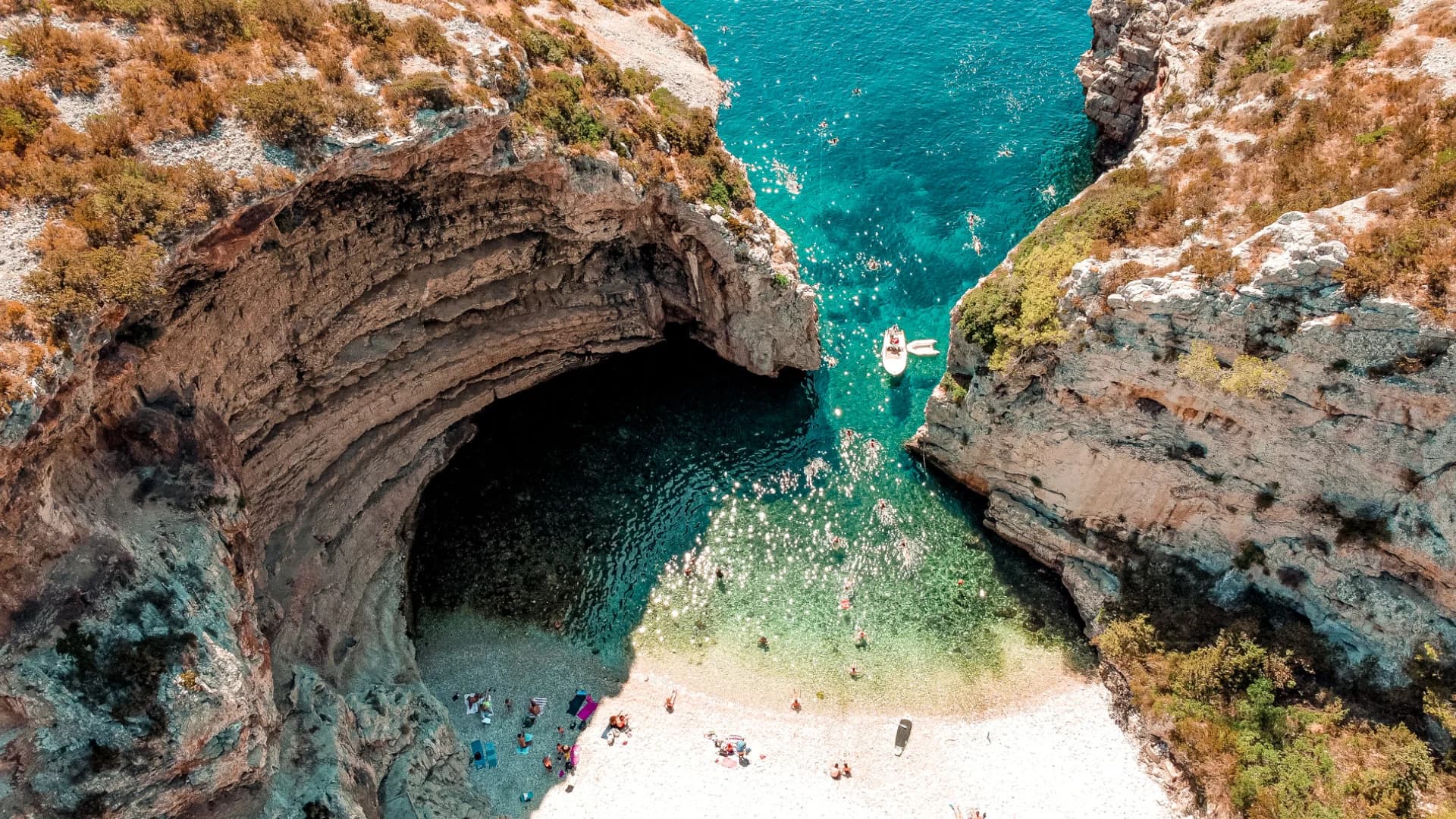
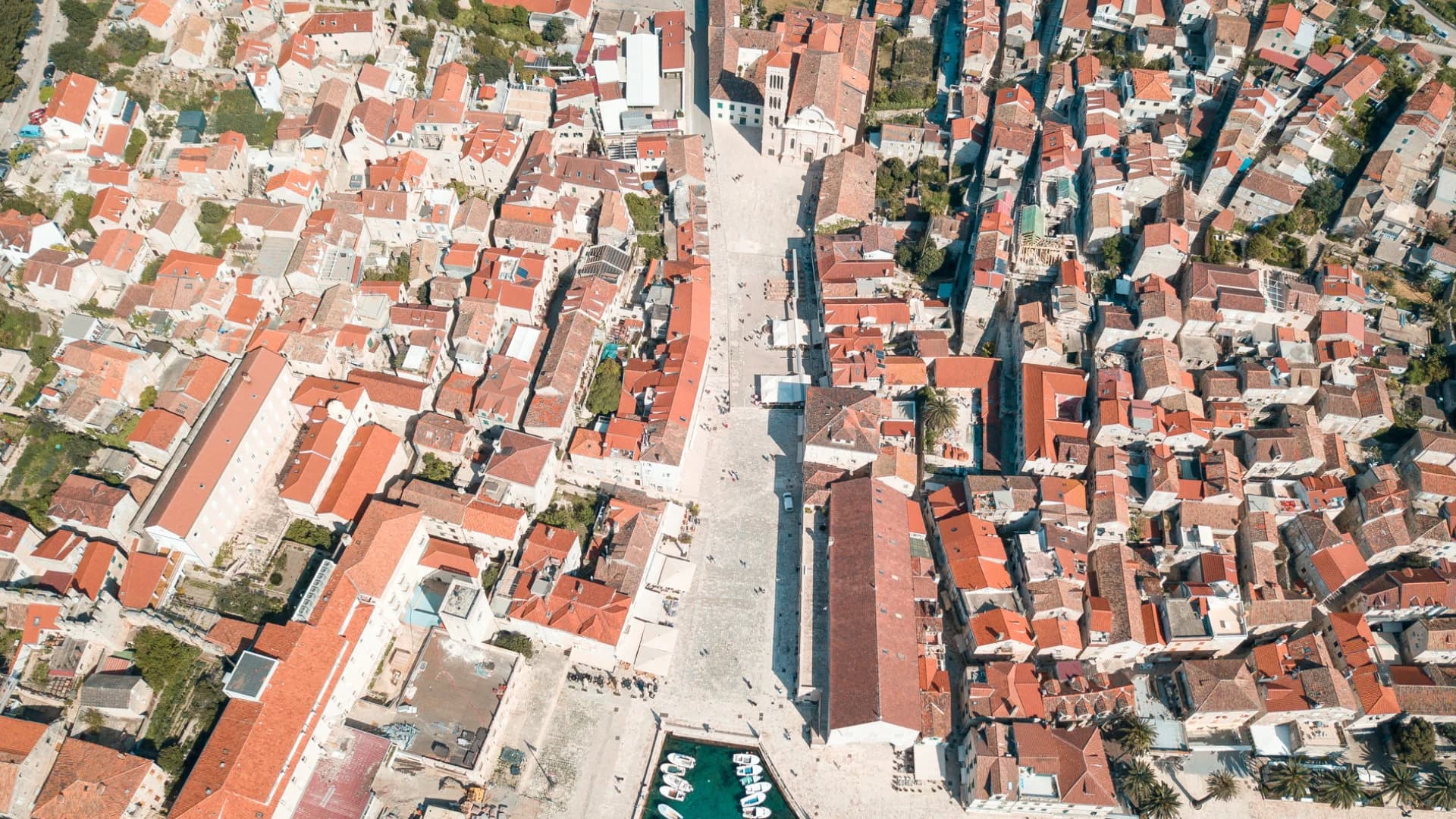
Odměnou za duben je naprosté ticho. Stiniva je prázdná. Na hvarském náměstí je víc koček než turistů. Fronta u jeskyně čítá dvě lodě místo patnácti. Pokud je pro vás prioritou místo samotné spíš než koupání, duben nabízí výjimečnou hodnotu.
Rizikem je počasí. V dubnu se může objevit řada krásných dní s 22 stupni, po nichž následuje 36 hodin deště a zavřená jeskyně. Rezervujte si flexibilní termín a počítejte s možností přeložení.
Květen: tajný nejlepší měsíc
Konec května je měsíc, který doporučujeme přátelům. Voda má 19 až 21 stupňů: první vteřinu studená, po třiceti vteřinách v pohodě. Vzduch má 22 až 26 stupňů. Fronta u jeskyně je krátká. Ceny výletů jsou ještě před vrcholem sezóny. Dlouhé denní hodiny znamenají nespěchaný oběd na Hvaru.
Středomořské světlo v květnu je nejčistší v celém roce. Záře Modré jeskyně je ostřejší. Fotografie z konce května skutečně vypadají lépe než stejný záběr pořízený v srpnu, protože letní opar vrcholné sezóny se ještě neobjevil.
Červen: nástup k vrcholu sezóny
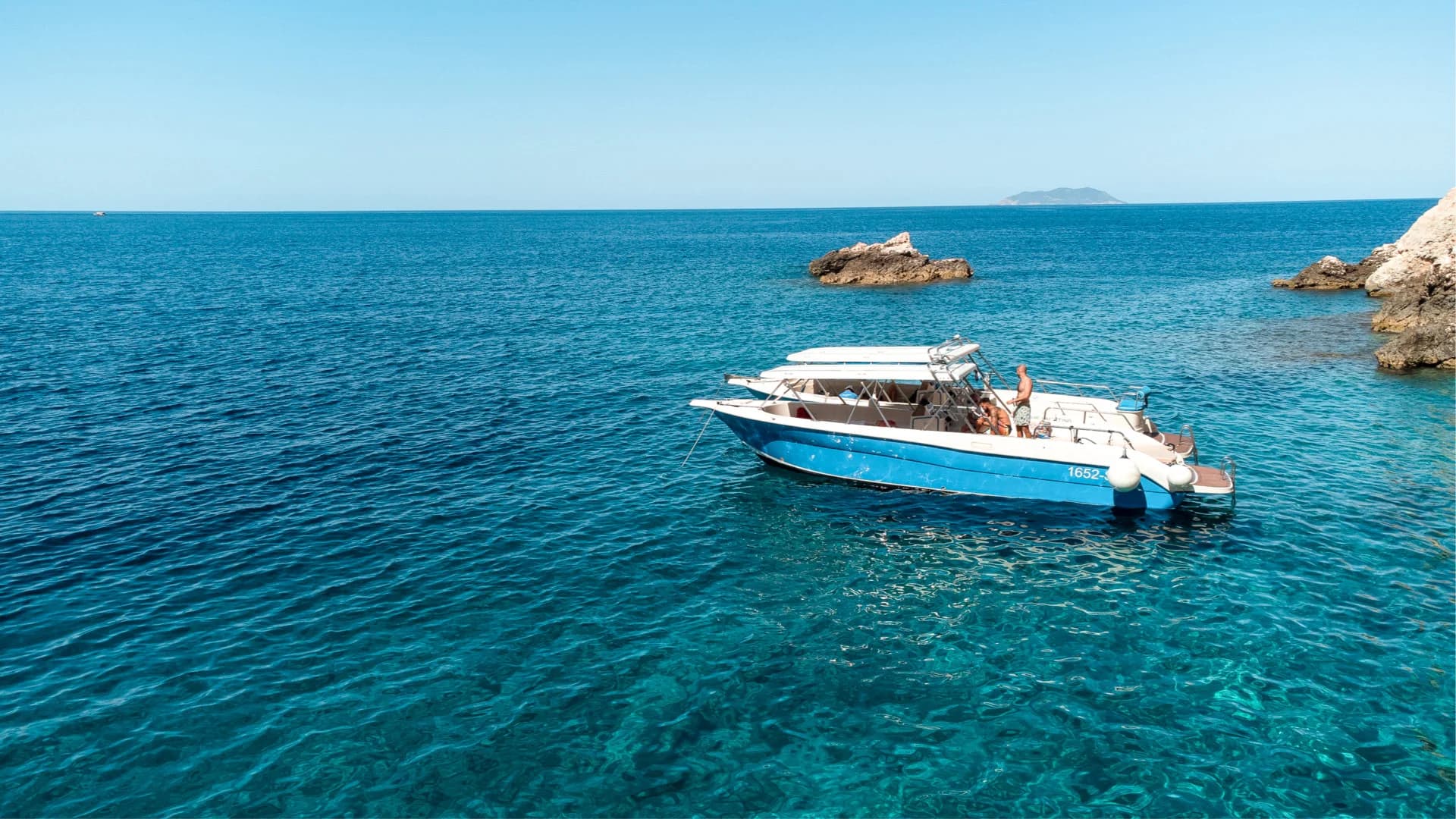
Červen je začátkem opravdového léta. Teplota vody přesahuje 22 stupňů, vzduch se spolehlivě pohybuje mezi 26 a 30 stupni a ve druhé polovině měsíce začíná prázdninová vlna evropských cestovatelů. U jeskyně je rušněji, ale stále zvládnutelně: obvykle 15 až 25 minut fronty ve špičce, nikdy ne hodina a víc, jak se může stát v srpnu.
Červen je nejvyváženější měsíc. Dost teplý na to, aby si mohla pohodlně zaplavat celá rodina, ještě ne drahý, ještě ne přeplněný. Rezervujte si dva až tři týdny dopředu a budete v pohodě.
Červenec a srpen: upřímné hodnocení vrcholné sezóny
Tyto měsíce jsou krásné, ale vyžadují plánování. Voda má 25 až 27 stupňů: teplá jako koupel. Vzduch ve vnitrozemí dosahuje 32 až 35 stupňů. Fronta u jeskyně může v poledne trvat 30 až 60 minut, a proto je brzký odjezd bezpodmínečně nutný: ze Splitu odjíždíme v 07:00–07:45, abychom byli u vstupu do jeskyně přesně v 09:45.
Stiniva se zaplní loděmi. Hvarský přístav je jachtami nabitý k prasknutí. Světlo je skvělé, koupání je dokonalé, davy jsou skutečné. Pokud máte v Chorvatsku jen jeden týden a připadne na červenec nebo srpen, výlet se stále naprosto vyplatí: jen si rezervujte dostatečně dopředu a smiřte se s tím, že se o zážitek budete dělit s ostatními.
Září: druhý tajný měsíc
Září je měsíc, kterému dávají přednost nejzkušenější cestovatelé po Jadranu. V první polovině měsíce má voda stále 24 až 26 stupňů: tepleji než v květnu. Vzduch mírně klesá na 25 až 30 stupňů. Davy citelně řídnou zhruba od 5. září. Fronta u jeskyně je opět krátká.
Moře bývá v září klidnější než kdykoli jindy během sezóny: dominantní maestral slábne a při plavbě přes otevřené moře se objevují dny, kdy je hladina jako zrcadlo. Fotografové a páry na líbánkách by si měli, pokud mohou, vybrat první tři týdny v září.
Říjen: zlaté finále
Začátek října ještě funguje. Voda má 22 až 23 stupňů, vzduch 22 až 27 stupňů, ceny výletů klesají zpět na úroveň mimosezóny. Od poloviny října se počasí stává nespolehlivým: slunečný den, pak jugo o síle 30 uzlů, pak zase slunce. Jezdíme, kdy to jde.
Říjnové světlo nad Jadranem je zlatě teplé a nízko položené: nejfilmovější světlo celého roku. Samotná jeskyně je vynikající, protože slunce je níž a úhel dopadu do podvodního vstupu je shovívavější pro o něco širší časové okno.
Koncem října už sledujeme předpověď každou hodinu. Jeskyně se oficiálně zavírá začátkem listopadu.
Přehledné srovnání
Duben: prázdno, chladno, riziko počasí, výjimečná hodnota pro samotnou jeskyni.
Květen: vyvážený měsíc, čisté světlo, žádné davy, voda ještě chladná.
Červen: teplé koupání, přibývající davy, dobré ceny v první polovině.
Červenec a srpen: vrchol všeho, horko, davy, ceny, energie.
Září: celkově nejlepší kombinace tepla a klidu.
Říjen: zlaté světlo, nižší ceny, nespolehlivá druhá polovina.
Další čtení: pro podrobnosti na úrovni jednotlivých týdnů doporučujeme náš samostatný průvodce Modrá jeskyně v dubnu, článek o davech a teplotě vody v červnu, text o mimosezóně v září a příspěvek o nízké sezóně duben-říjen-listopad. Trasa je na /tours/blue-cave-5-island-tour.
Ready to plan the route?
Compare group and private speedboat tours from Split, or go directly to the route mentioned in this guide.
About the author

Marinko
Co-founder & Skipper · 20 seasons in Split
Co-founder and one of the two captains who built Navy Blue Yachting from a single boat. Over 20 years on the Adriatic and a lifelong passionate fisherman, he reads sea conditions the way most people read a weather app. If you are on a flagship Blue Cave day in shoulder season, he is most likely the captain.
Meet the rest of the crew →